
Industrial Dry Scrubber Manufacturers in India
Engineered Solutions for H₂S, VOC, Biogas and Industrial Odour Control
NAPCEN designs and manufactures industrial dry scrubber systems using activated carbon and application-specific reactive media to treat contaminated process gases. Our solutions are engineered around gas flow rate, pollutant concentration, operating conditions and required outlet performance.
Request an engineered quotation
Trusted By Industry Leaders
A few of the brands we've grown alongside




























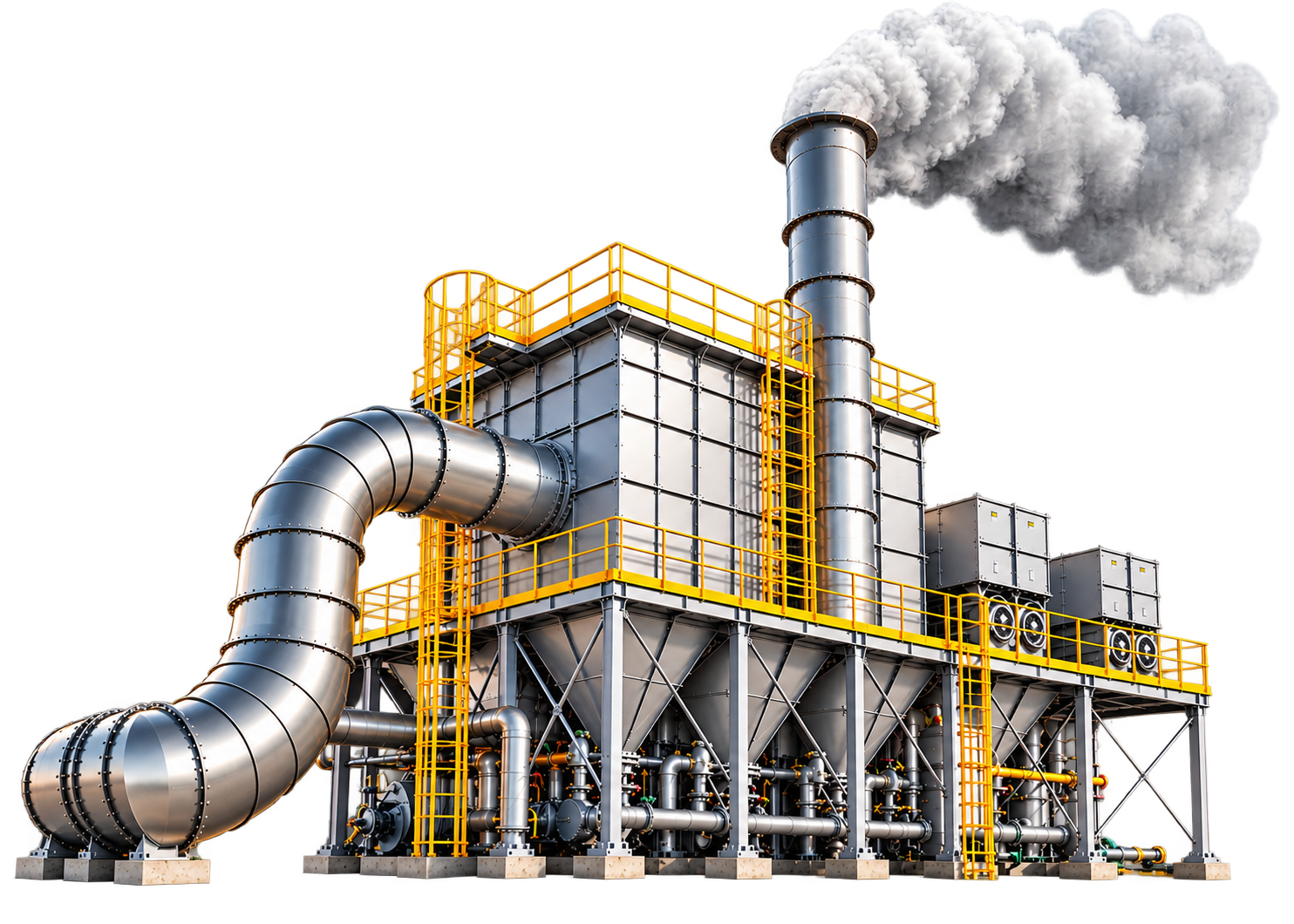
What is a
dry scrubber?
A reliable solution for cleaner air and a healthier environment.
Removes Harmful Pollutants
From industrial gas streams
Uses Solid Treatment Media
No liquid scrubbing required
Efficient & Reliable
For various industrial applications
A dry scrubber is an air pollution control system that uses a solid treatment medium or dry reagent to remove selected pollutants from a gas stream. Unlike liquid-based scrubbing, its main treatment mechanism does not rely on circulating a scrubbing solution.
In media-bed systems, gas passes through activated carbon or a reactive material. Adsorption holds suitable molecules on the media surface; chemisorption involves a reaction with the treatment medium. In dry sorbent injection systems, a reagent enters the gas stream and the resulting solids are collected downstream.
One category.
Different treatment duties.
A dry scrubber uses a solid medium or dry reagent to capture or react with pollutants. The right design depends on the contaminant, gas flow and operating conditions—not the equipment name alone.
H₂S dry scrubber
For hydrogen sulphide and sulphur-related odours in collected gas streams. Selected impregnated carbon or reactive media captures H₂S within a contact bed.
- •Wastewater and STP exhaust
- •Biogas treatment enquiries
- •Media life based on actual loading
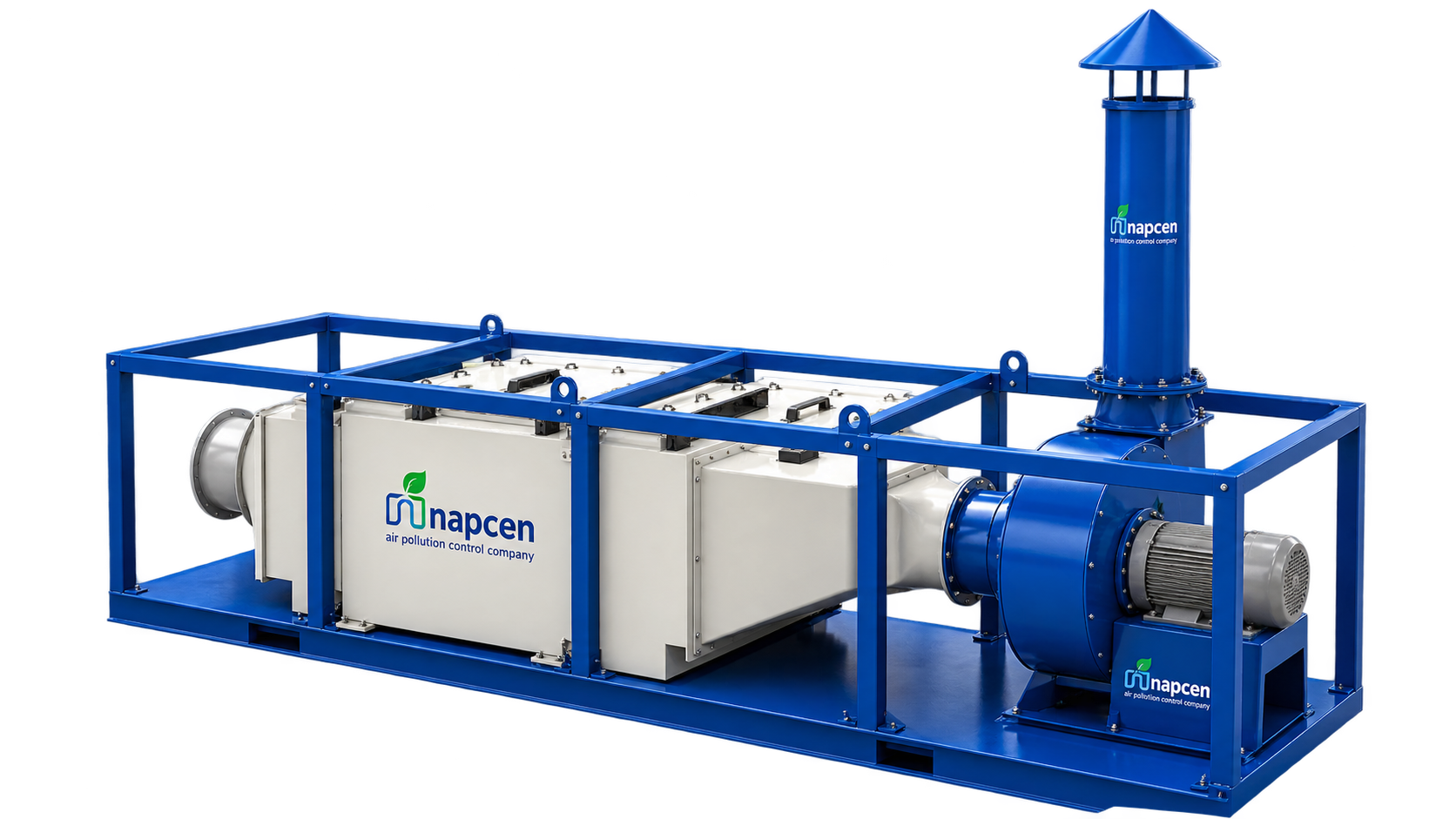
VOC dry scrubber
Activated carbon adsorption can suit selected solvent vapours and organic odours. Suitability varies with the VOC species, humidity and concentration.
- •Process exhaust and solvent vapours
- •Species-specific media selection
- •Breakthrough and heat-risk assessment
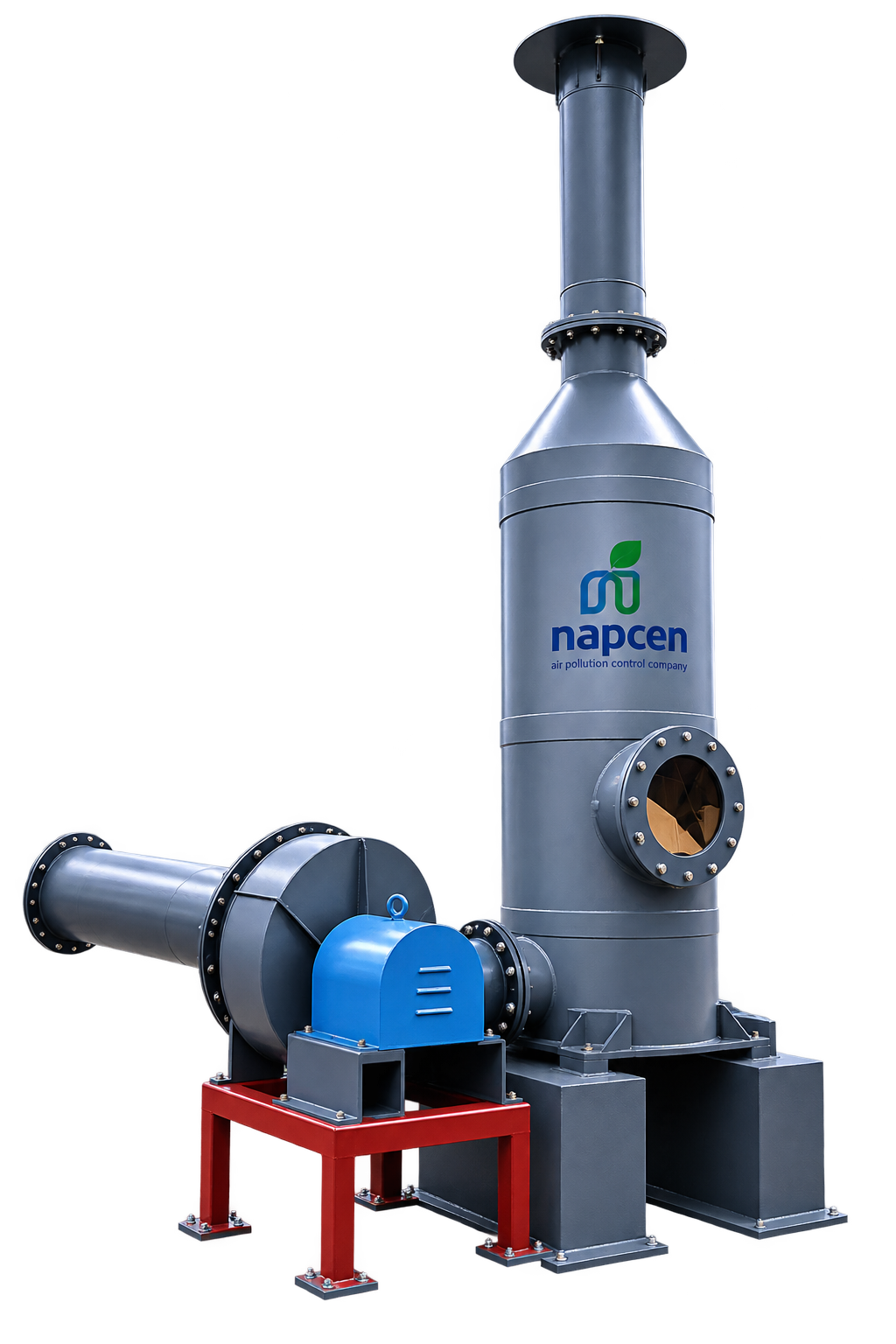
STP odour control
Capture odorous air near its source and route it through a suitable treatment bed. A complete system considers covers, ducts, extraction and discharge.
- •Collection tanks and pumping stations
- •Sludge handling exhaust
- •Access for planned media replacement
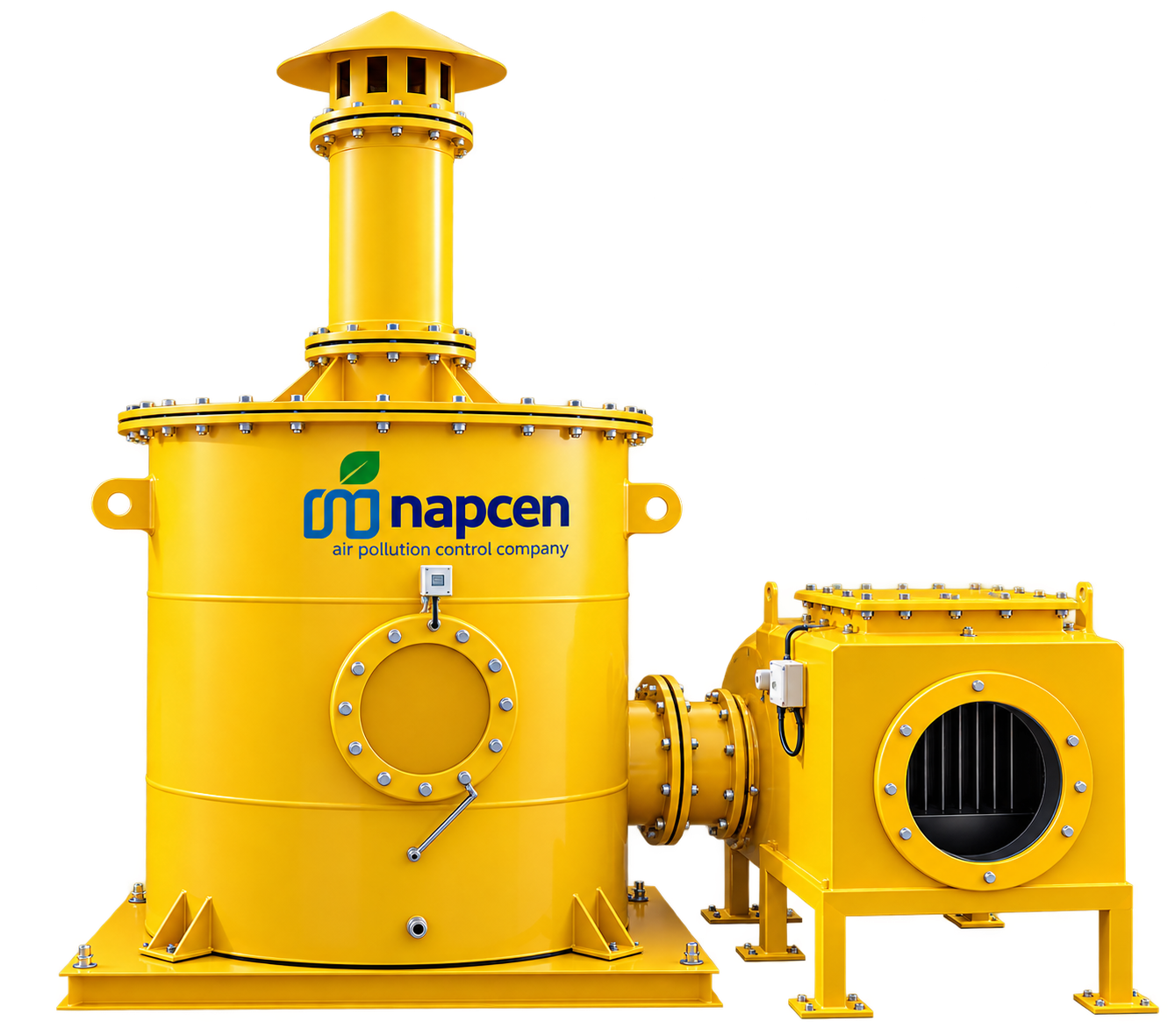
Portable dry scrubber
A compact, movable system brings local extraction and replaceable treatment media closer to suitable fume, vapour or odour sources. Consider it for changing workstations and intermittent process duties.
- •Source capture with application-specific airflow
- •Pre-filtration and carbon media where suitable
- •Accessible filters for planned replacement
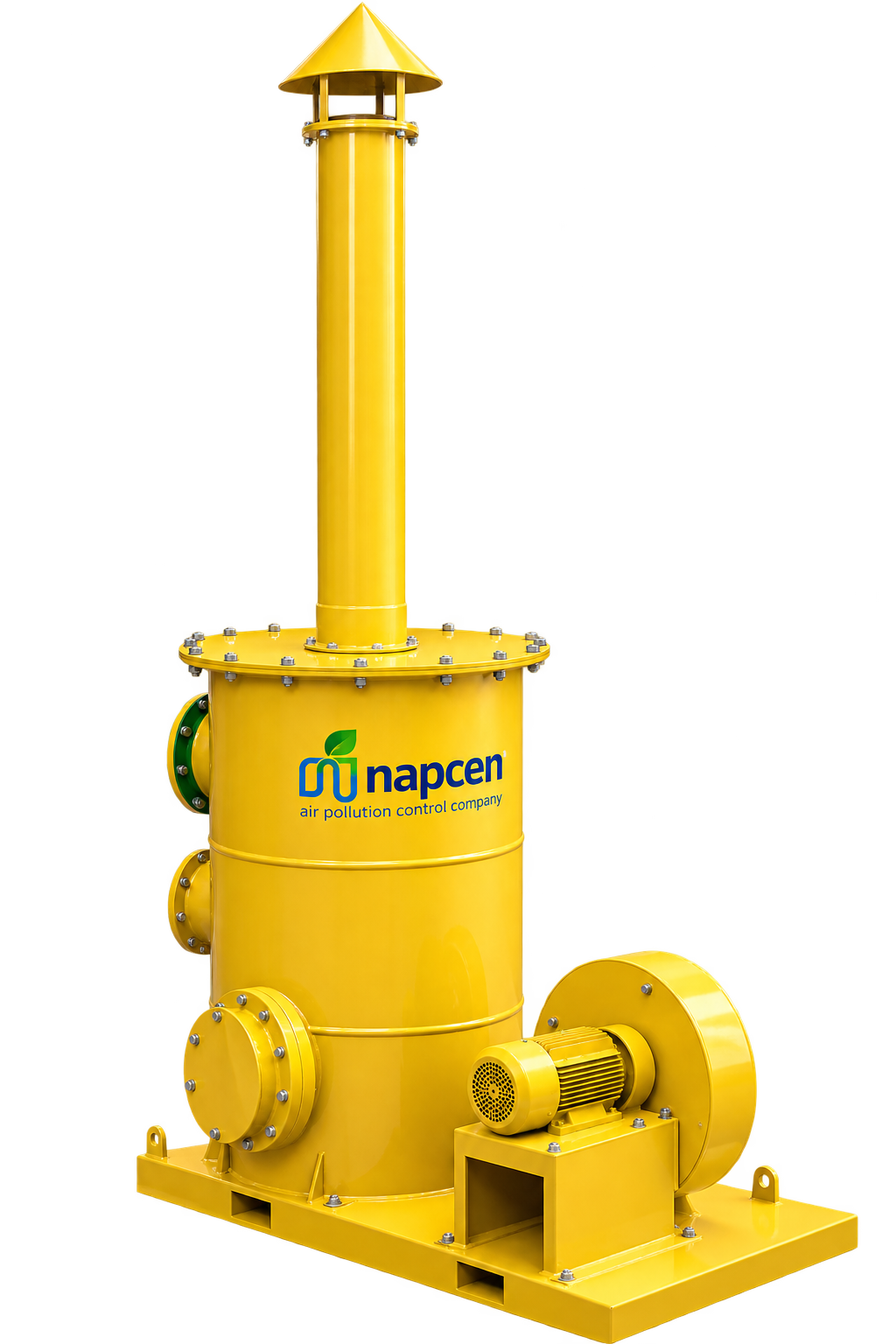
Biogas dry scrubber
Remove hydrogen sulphide from biogas using selected reactive or impregnated media. Treatment can help protect downstream equipment, with the outlet target matched to the engine, upgrading process or other end use.
- •Biogas and CBG project enquiries
- •Media selection based on H₂S loading and moisture
- •Outlet monitoring and safe media changeout
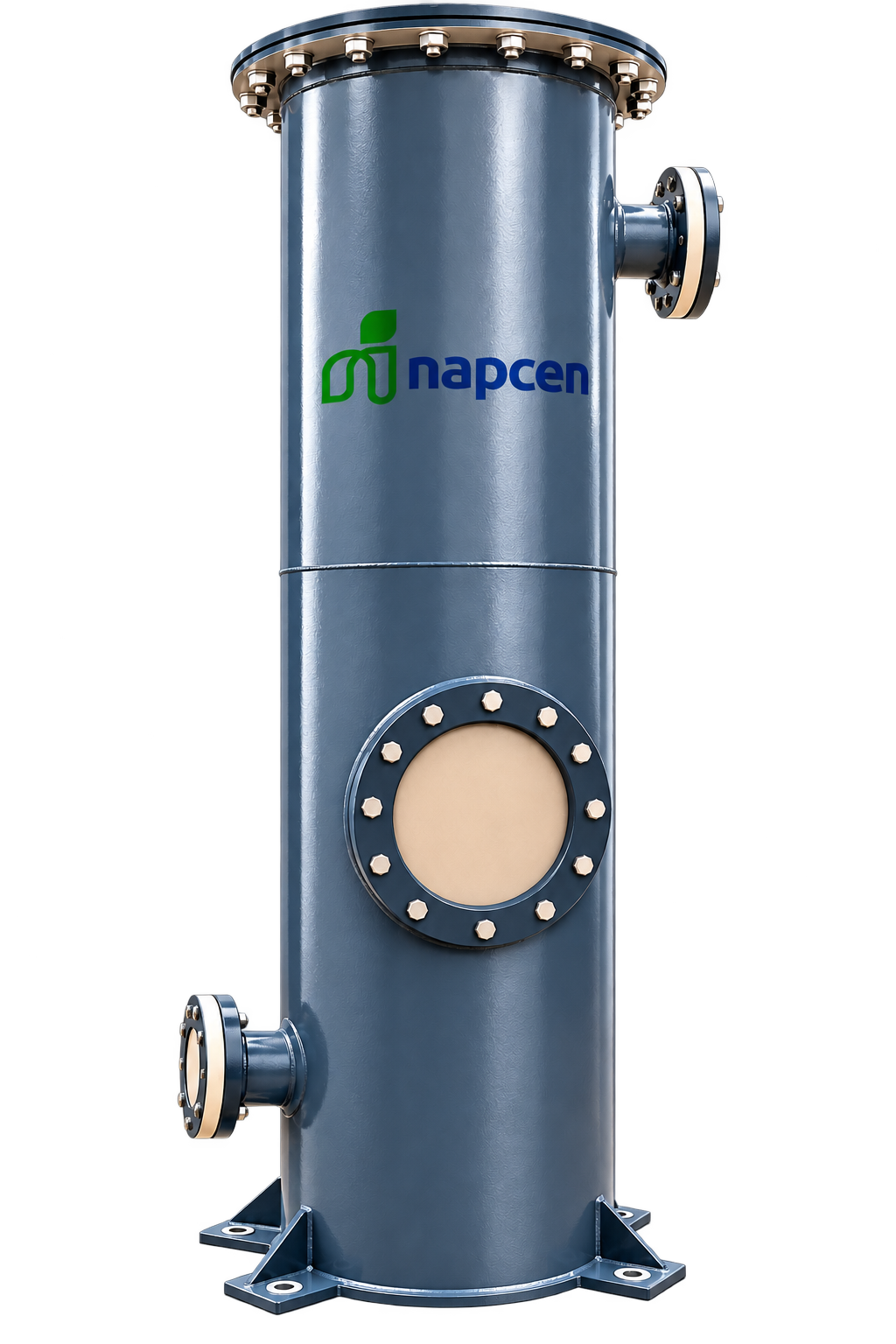
Need dry acid-gas treatment? Reagent injection with downstream particulate collection is a different design approach. Share your gas analysis for an application review.
From contaminated gas
to controlled discharge.
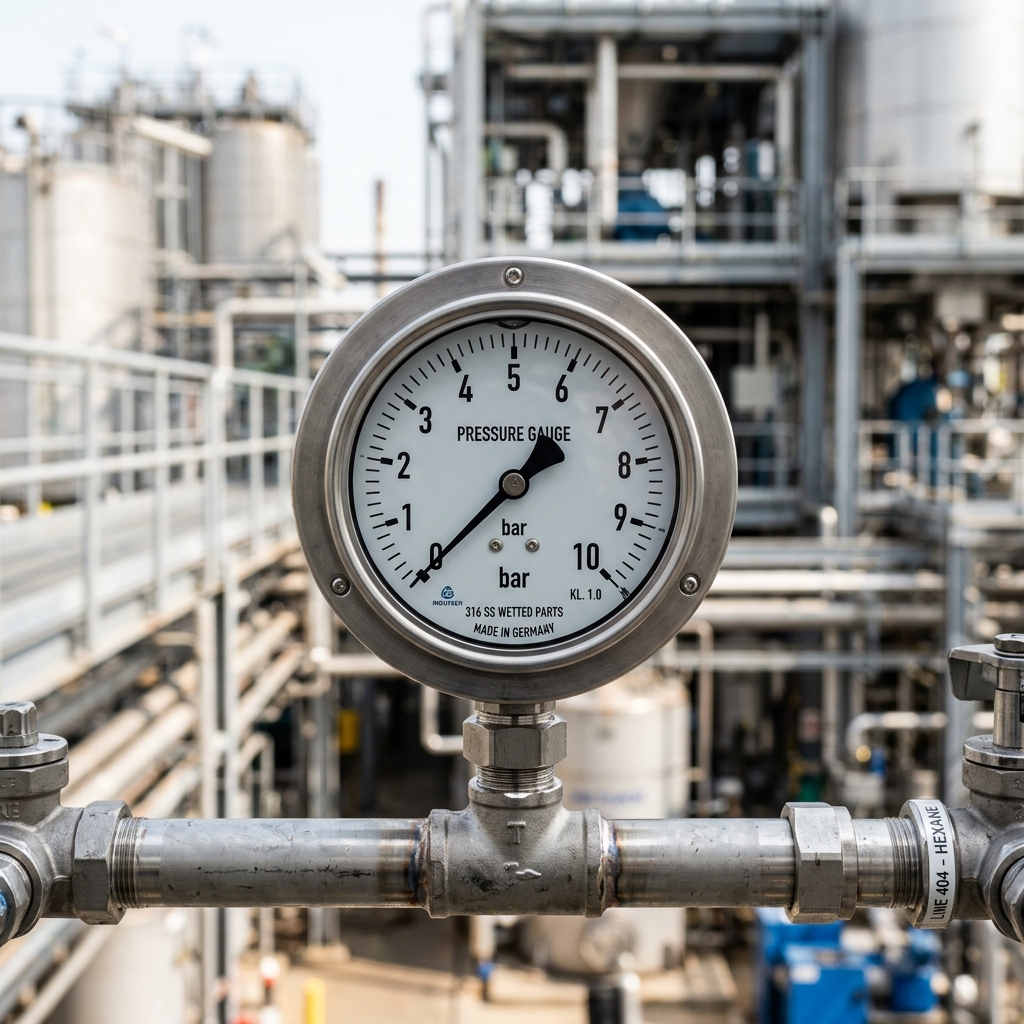
Differential pressure monitoring helps identify airflow restrictions and media-bed resistance. Pollutant breakthrough should be assessed through suitable outlet gas monitoring or scheduled media testing, rather than pressure drop alone.
From contaminated gasto controlled discharge.
Differential pressure monitoring helps identify airflow restrictions and media-bed resistance. Pollutant breakthrough should be assessed through suitable outlet gas monitoring or scheduled media testing, rather than pressure drop alone.
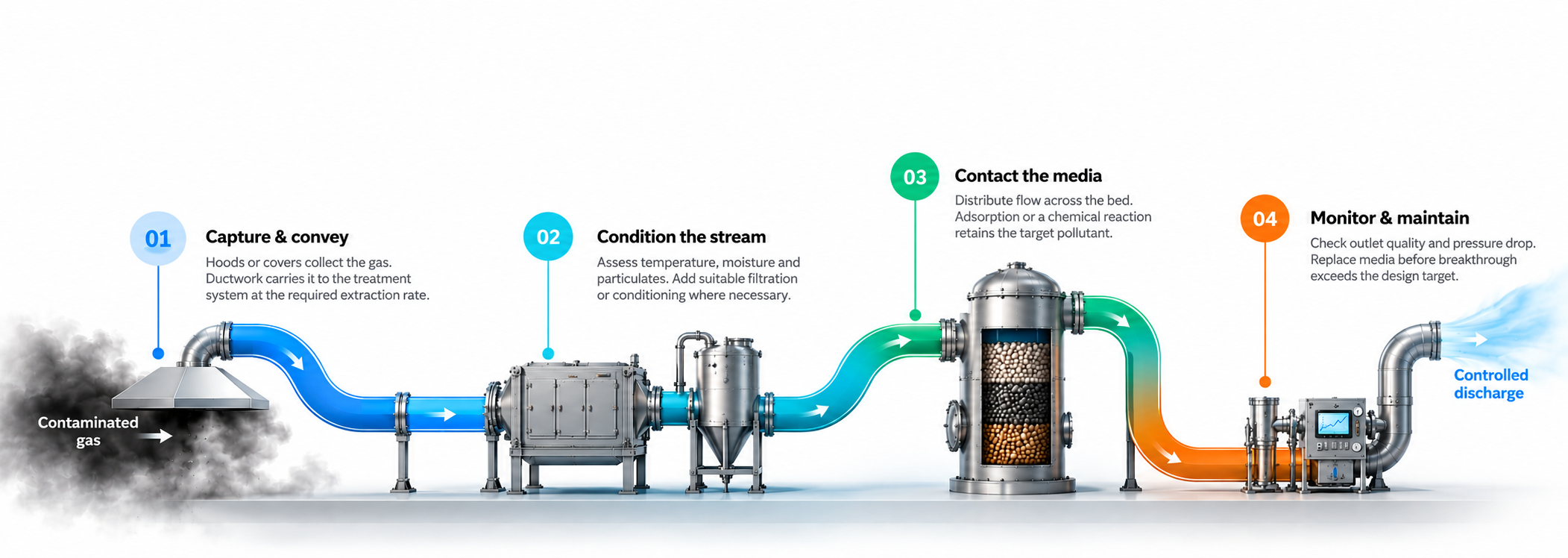
Capture & convey
Hoods or covers collect the gas. Ductwork carries it to the treatment system at the required extraction rate.
Condition the stream
Assess temperature, moisture and particulates. Add suitable filtration or conditioning where necessary.
Contact the media
Distribute flow across the bed. Adsorption or a chemical reaction retains the target pollutant.
Monitor & maintain
Check outlet quality and pressure drop. Replace media before breakthrough exceeds the design target.
What's in your
exhaust stream?
Select your main concern for a useful first discussion. Final equipment sizing requires a verified design basis.
Reactive media for H₂S control
Share inlet H₂S concentration, peak loading, humidity and required outlet concentration. Media chemistry and contact time must suit the stream; a lead–lag arrangement can be considered for monitoring and changeover.
Request an application reviewBuilt around your industry.
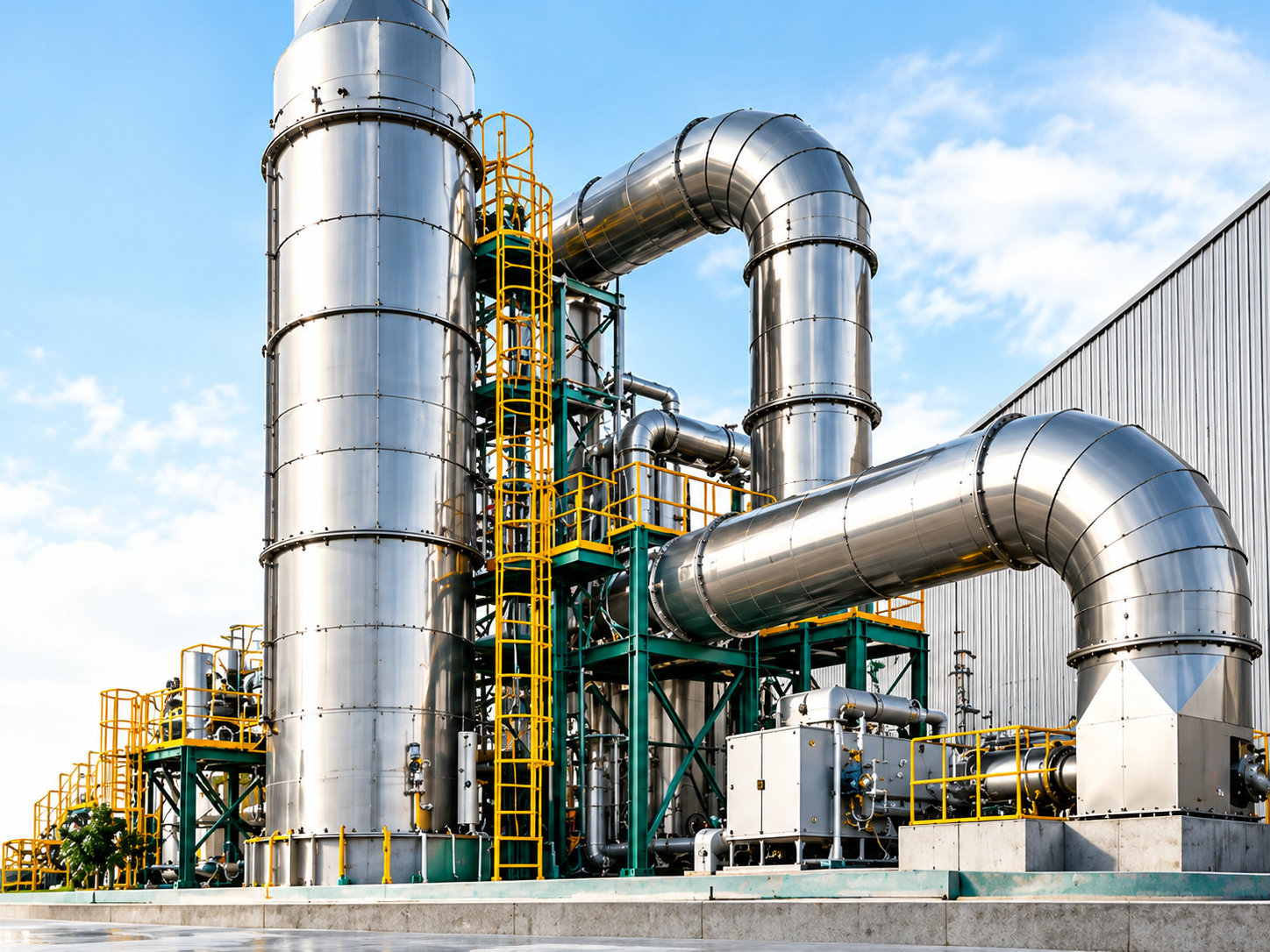
Wastewater & STP
Odour extraction from tanks, wet wells and sludge areas.
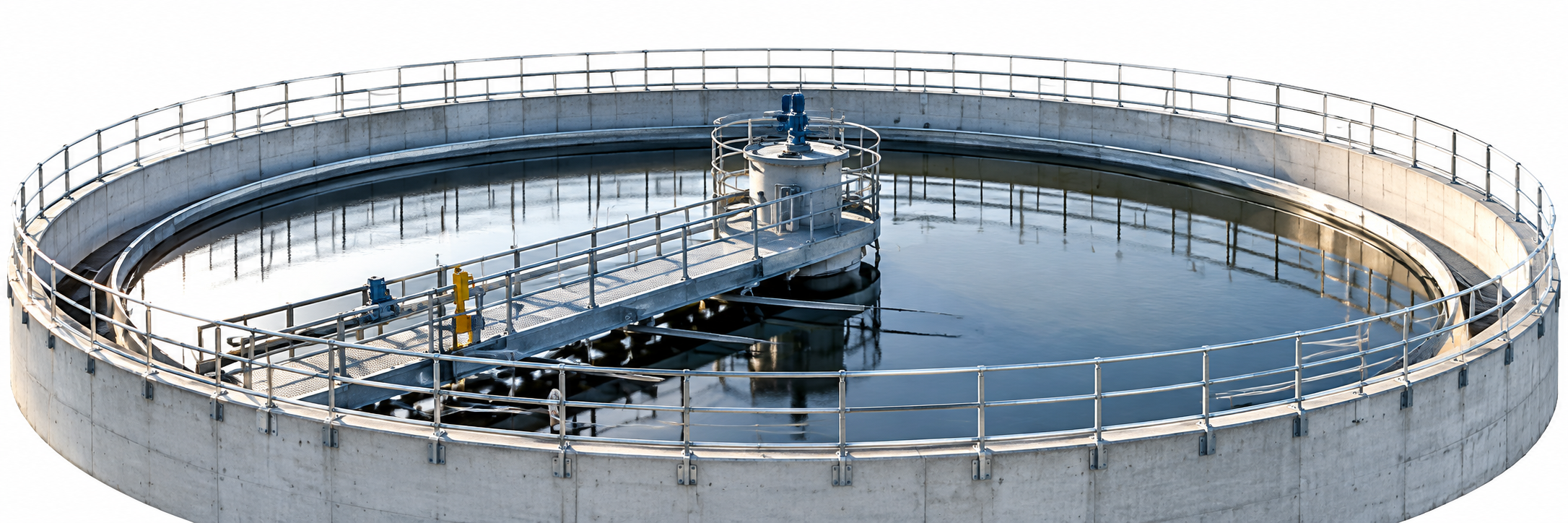
Chemical processing
Characterised process exhaust and selected gas-treatment duties.
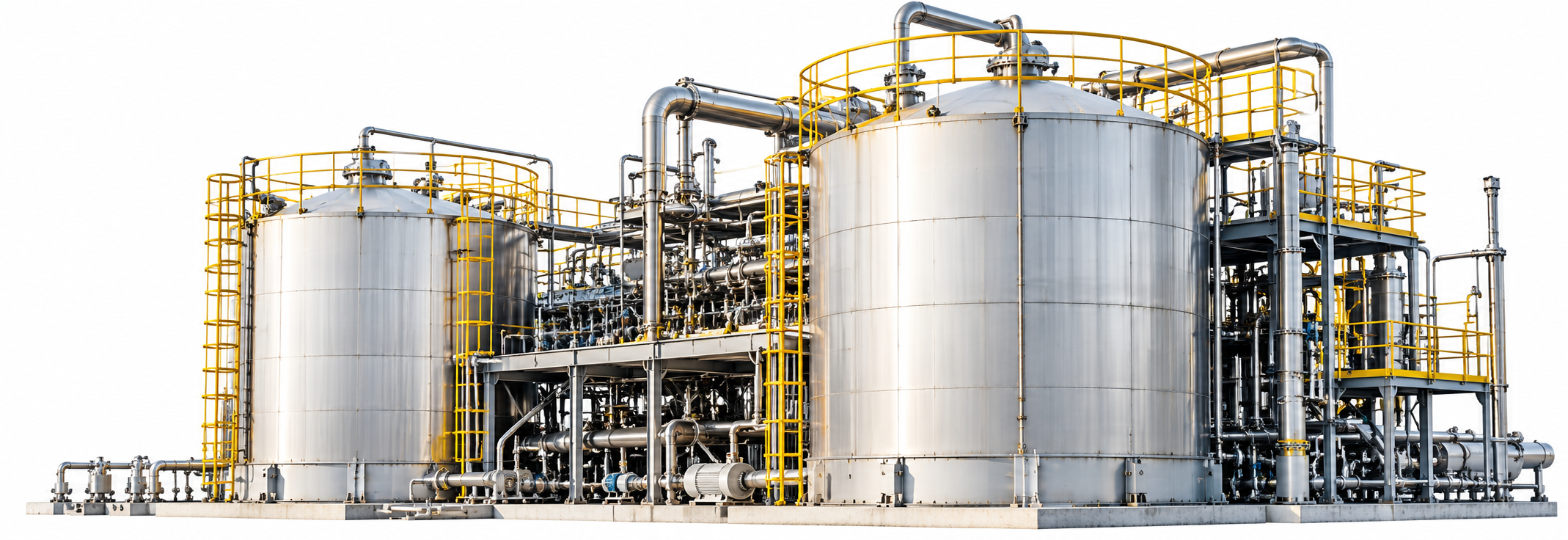
Biogas & CBG
H₂S treatment subject to gas composition and process safety review.
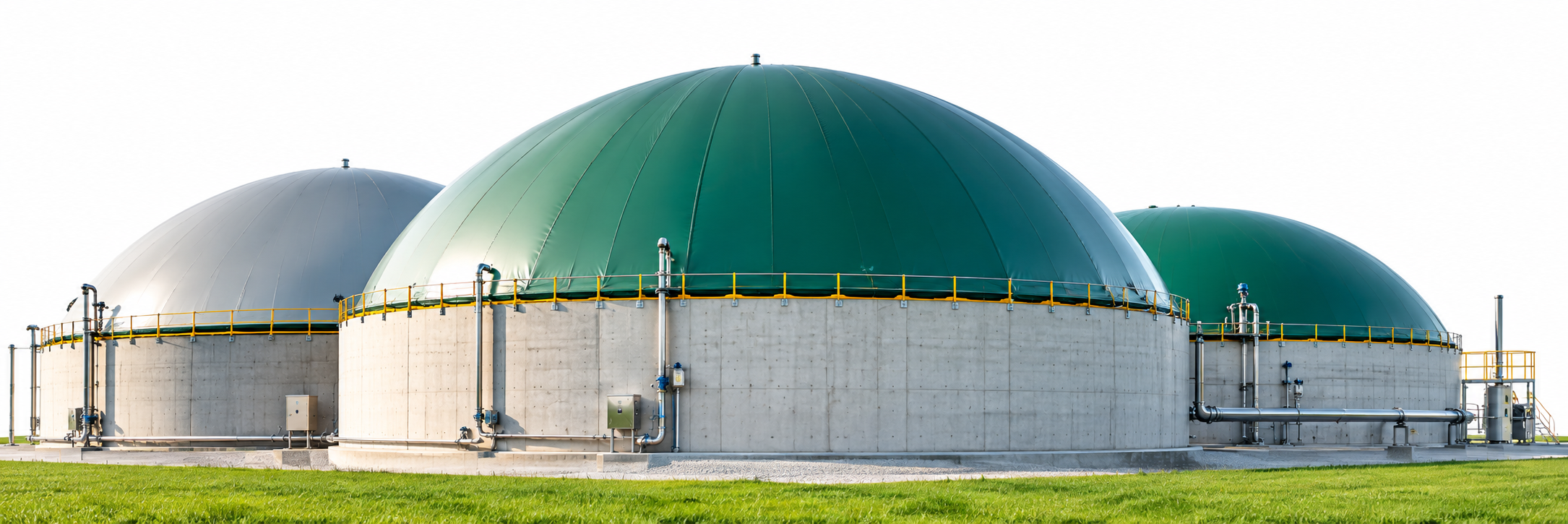
Manufacturing
Selected VOC, solvent and nuisance odour applications.
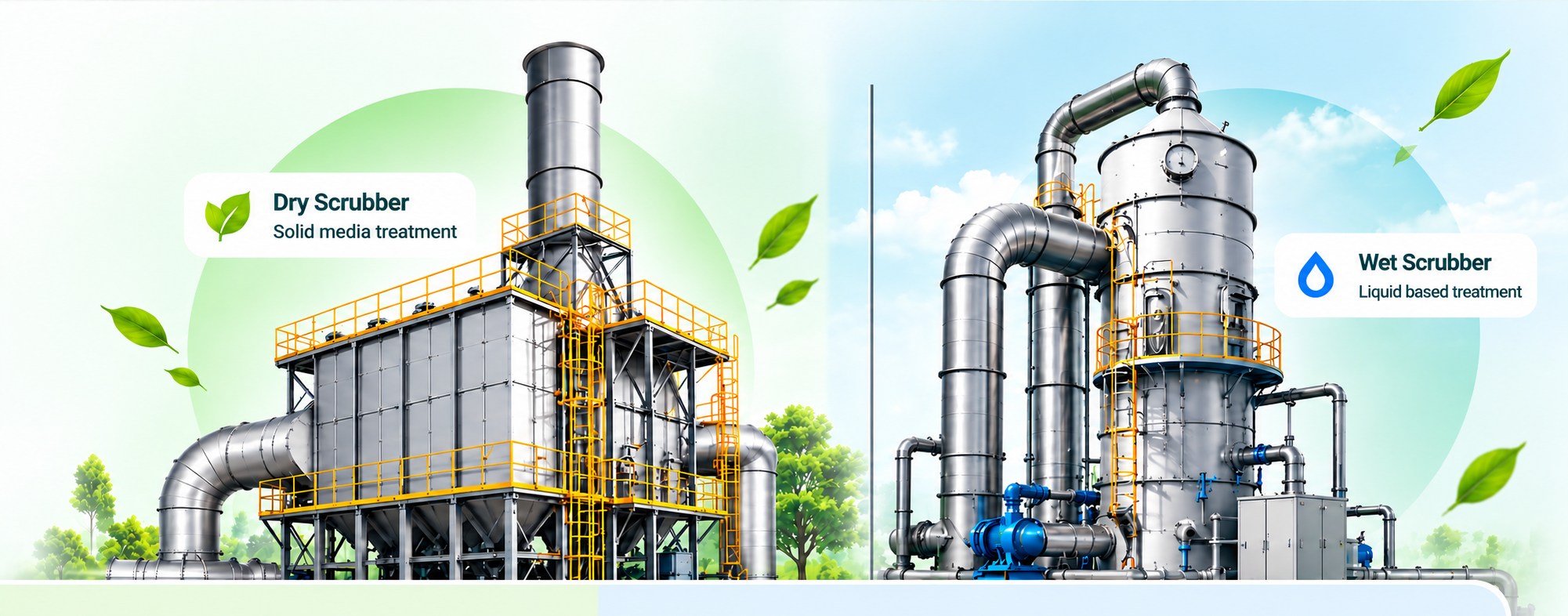
Dry scrubber or
wet scrubber?
Neither approach fits every stream. Compare pollutant chemistry, operating costs and waste handling before selecting a system.
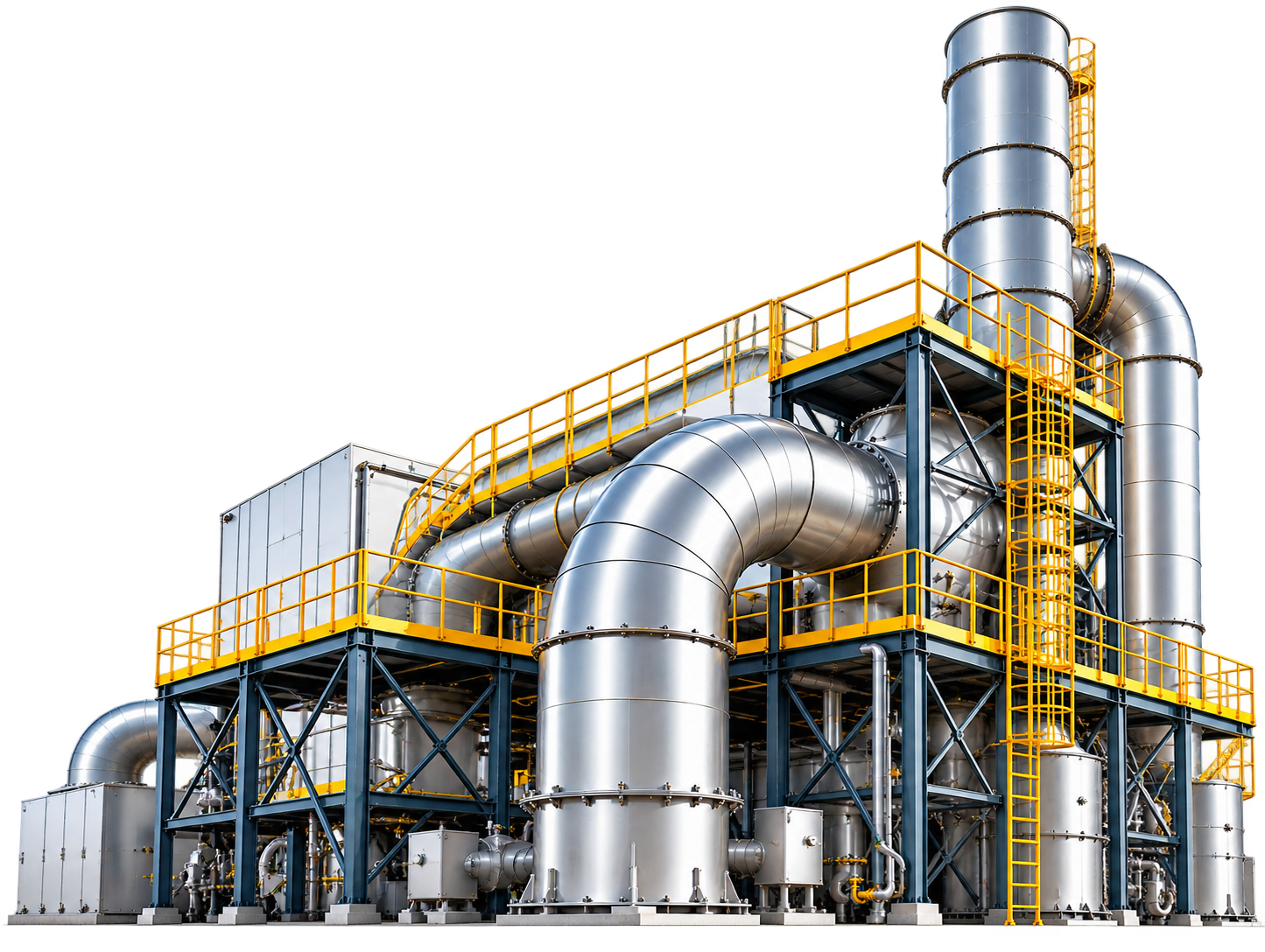
A useful proposal starts with useful data.
Dry scrubber price and media replacement costs depend on flow, pollutant load, treatment target and operating hours. A flow rate alone cannot establish performance or lifecycle cost.
Normal and peak gas flow
in m³/hr, with reference conditions
Pollutant composition
inlet concentration and outlet target
Gas temperature, humidity
dust and condensable content
Operating hours
duty cycle and loading fluctuations
Available space
duct route, utilities and installation location
Monitoring and media handling
and applicable consent conditions
Less liquid handling.
More focused treatment.
These advantages apply when a media-based dry scrubber is suitable for the gas stream. Compare them against media consumption and replacement costs.
No scrubbing-liquid loop
Media-bed treatment avoids a recirculation pump, liquid dosing loop and routine liquid blowdown within the treatment stage. Any upstream conditioning has separate utility needs.
Flexible arrangements
Vessels, modular beds or portable units can be considered around site access and extraction routes. Actual footprint depends on flow, contact time and service clearance.
Measurable media service
Sampling points, pressure checks and outlet monitoring support an orderly maintenance plan. A lead–lag bed arrangement may help manage breakthrough and changeover.
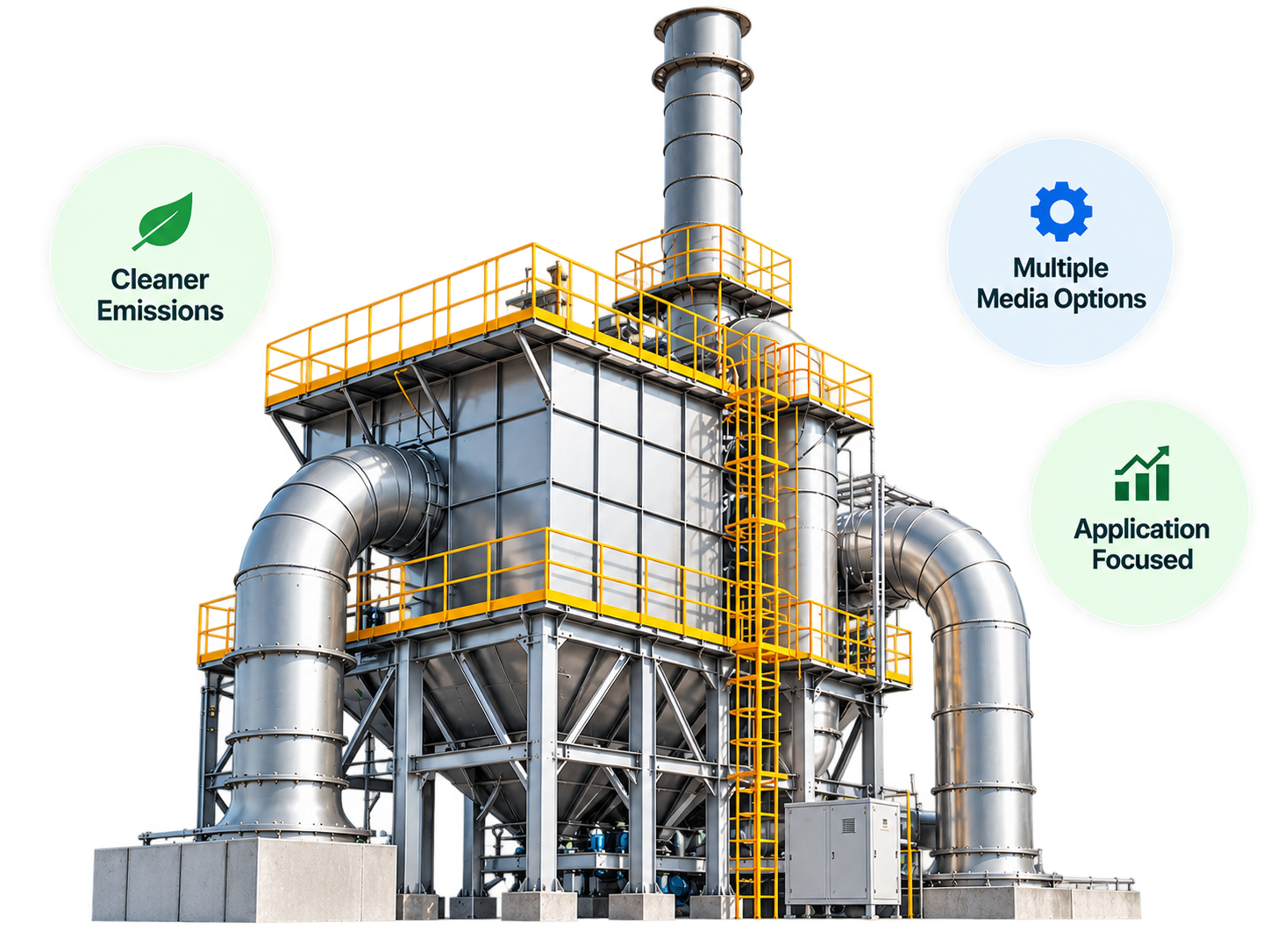
The media makes
the difference.
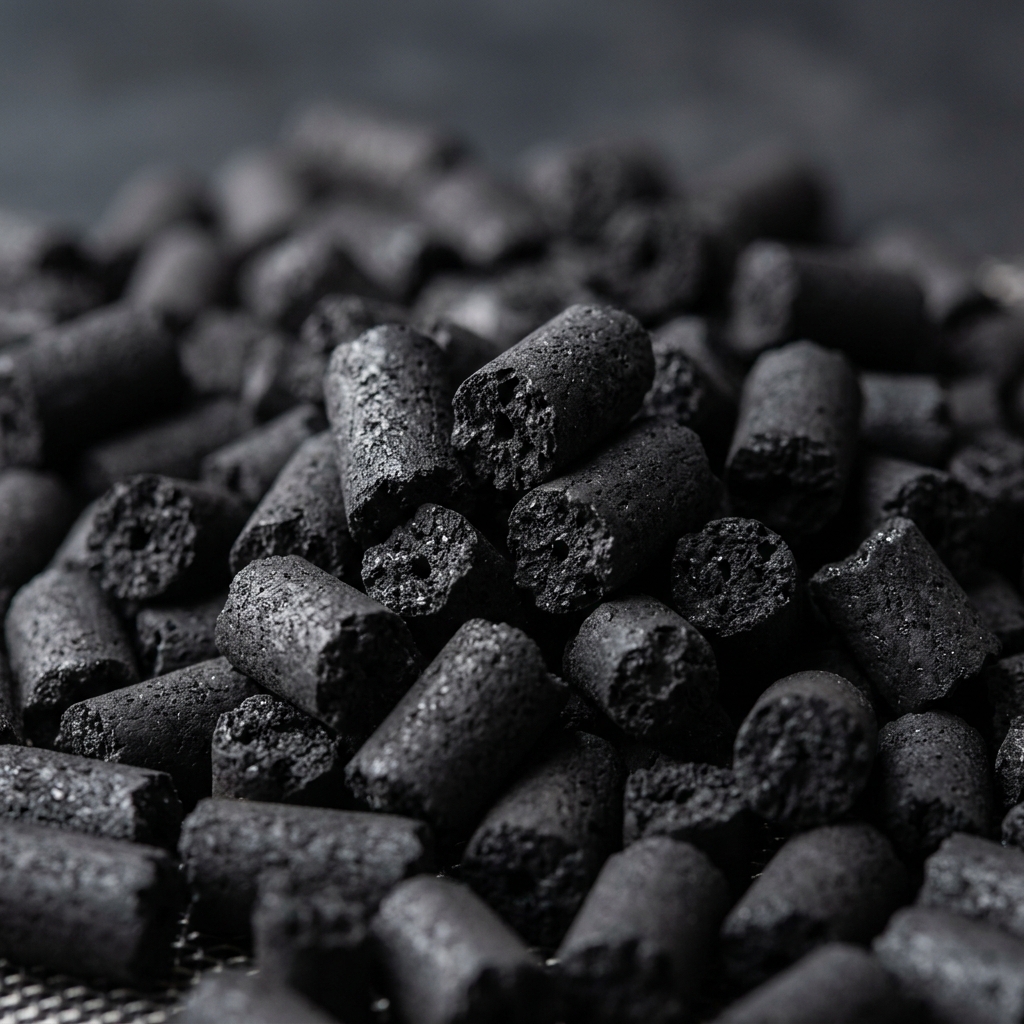
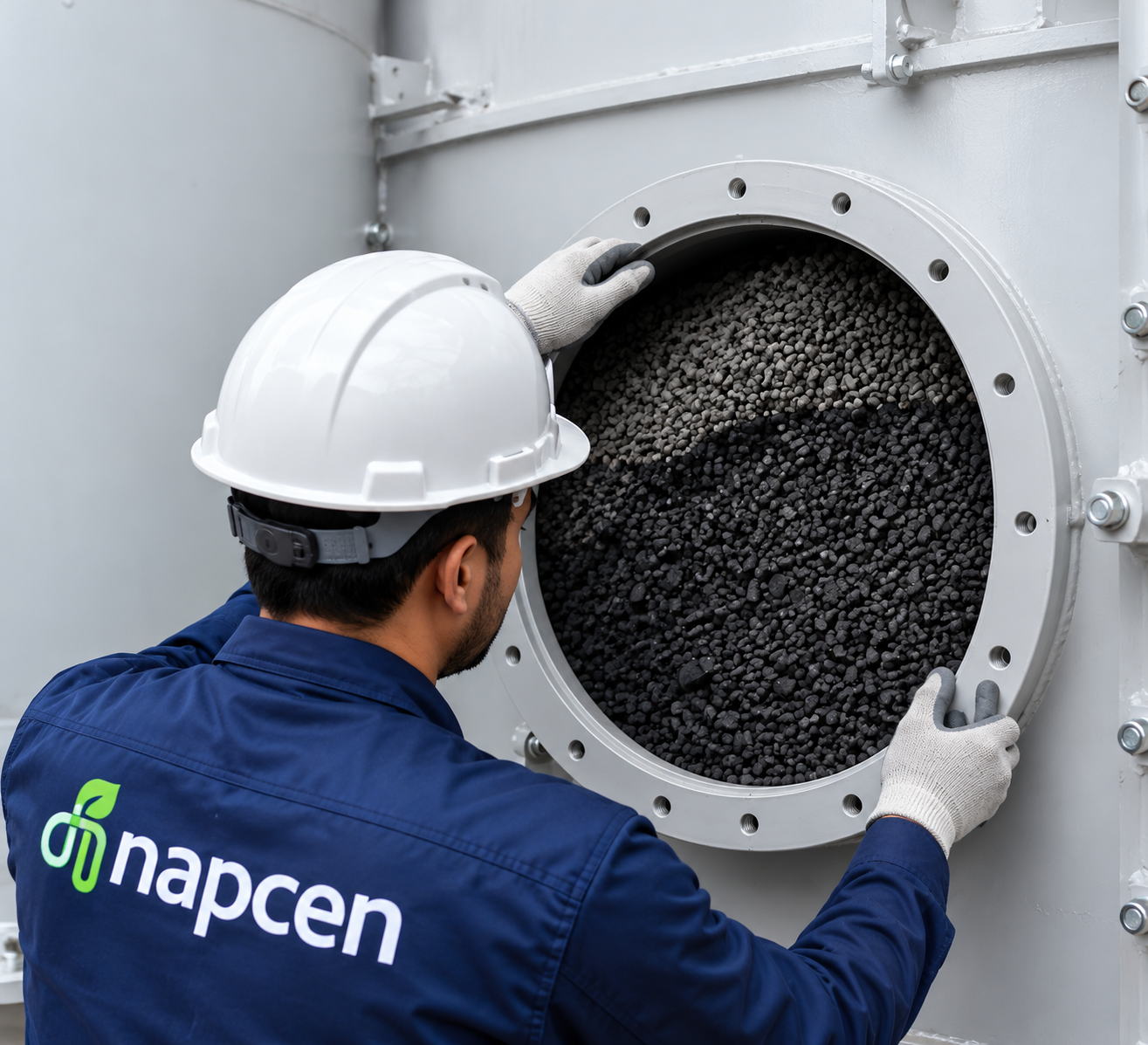
Choosing a dry scrubber filter starts with pollutant chemistry. "Activated carbon" is a material family, not a universal performance specification.
A complete system.
Beyond the vessel.
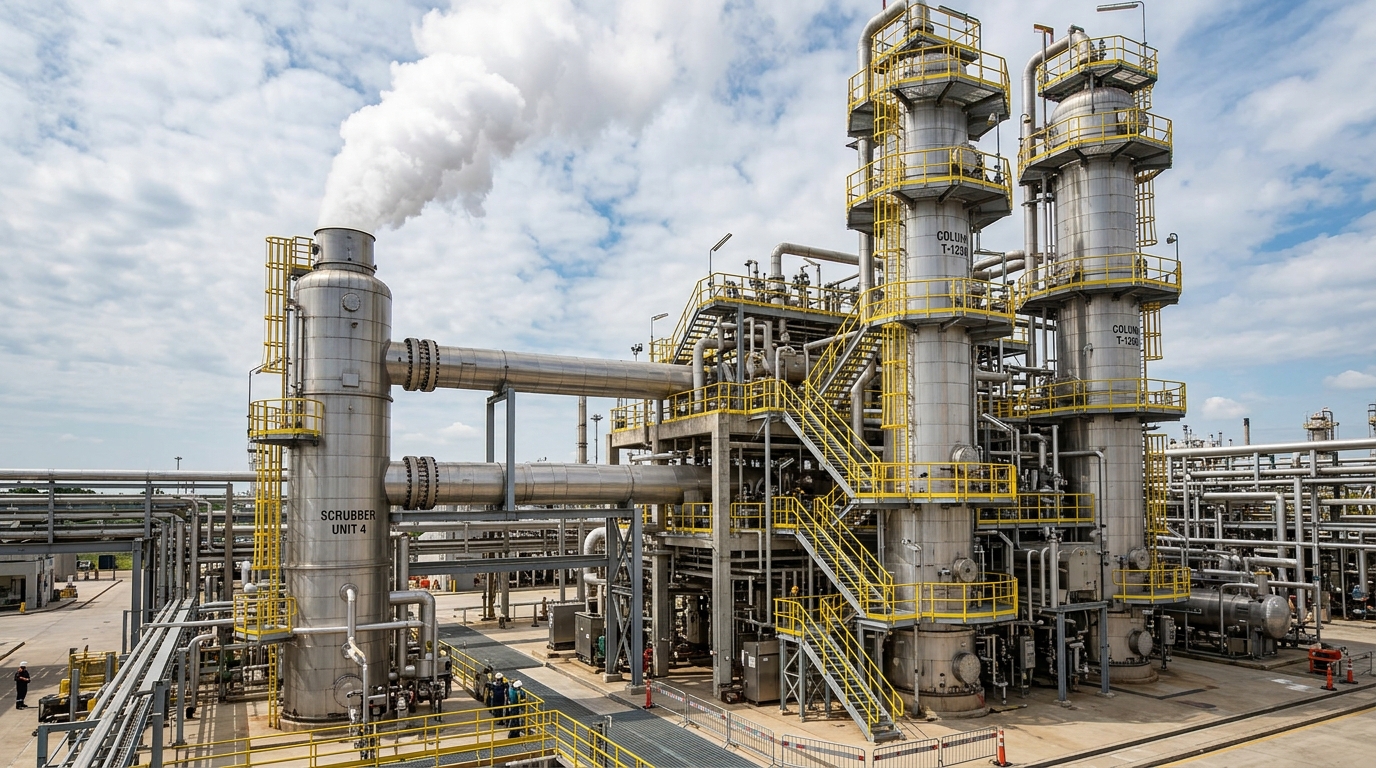
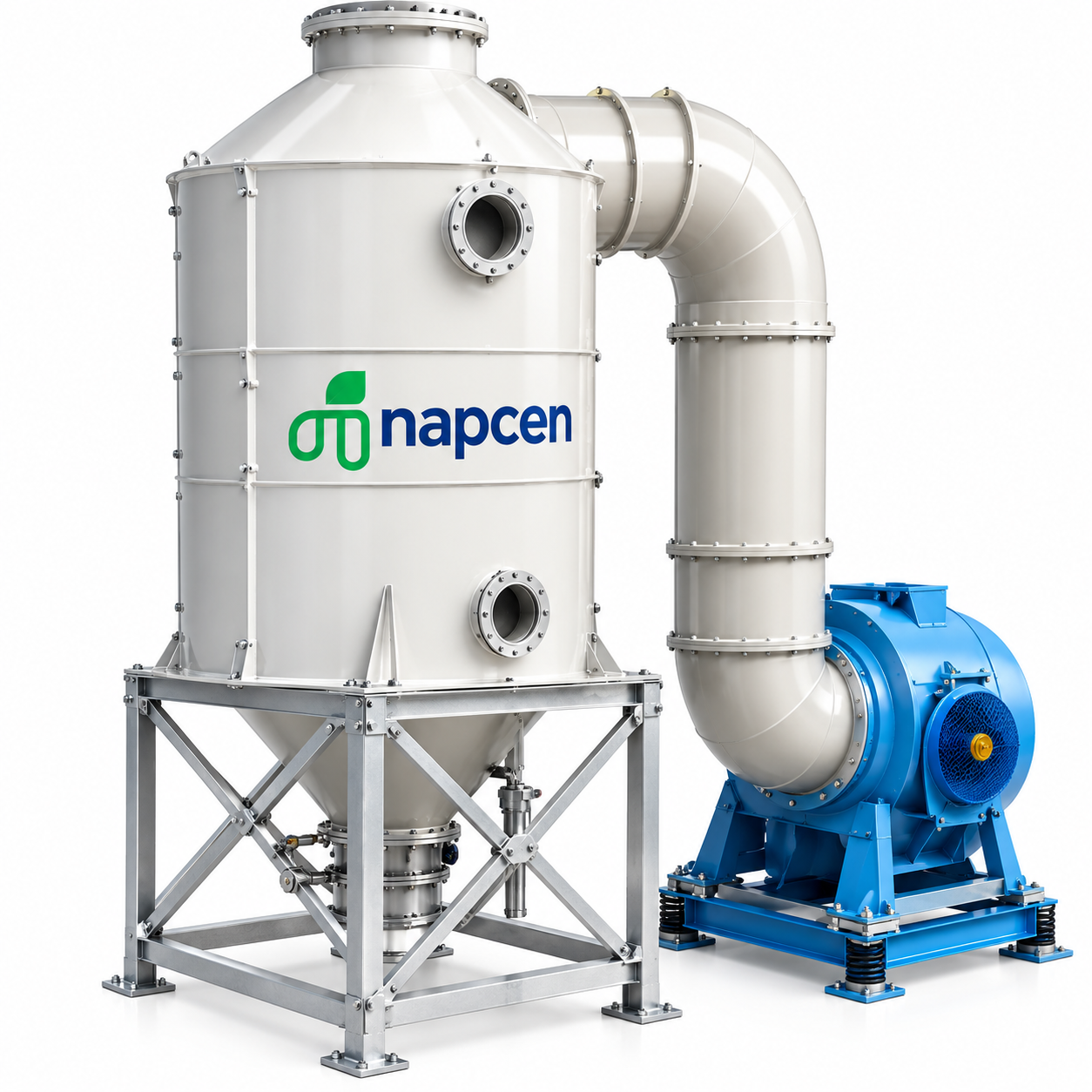
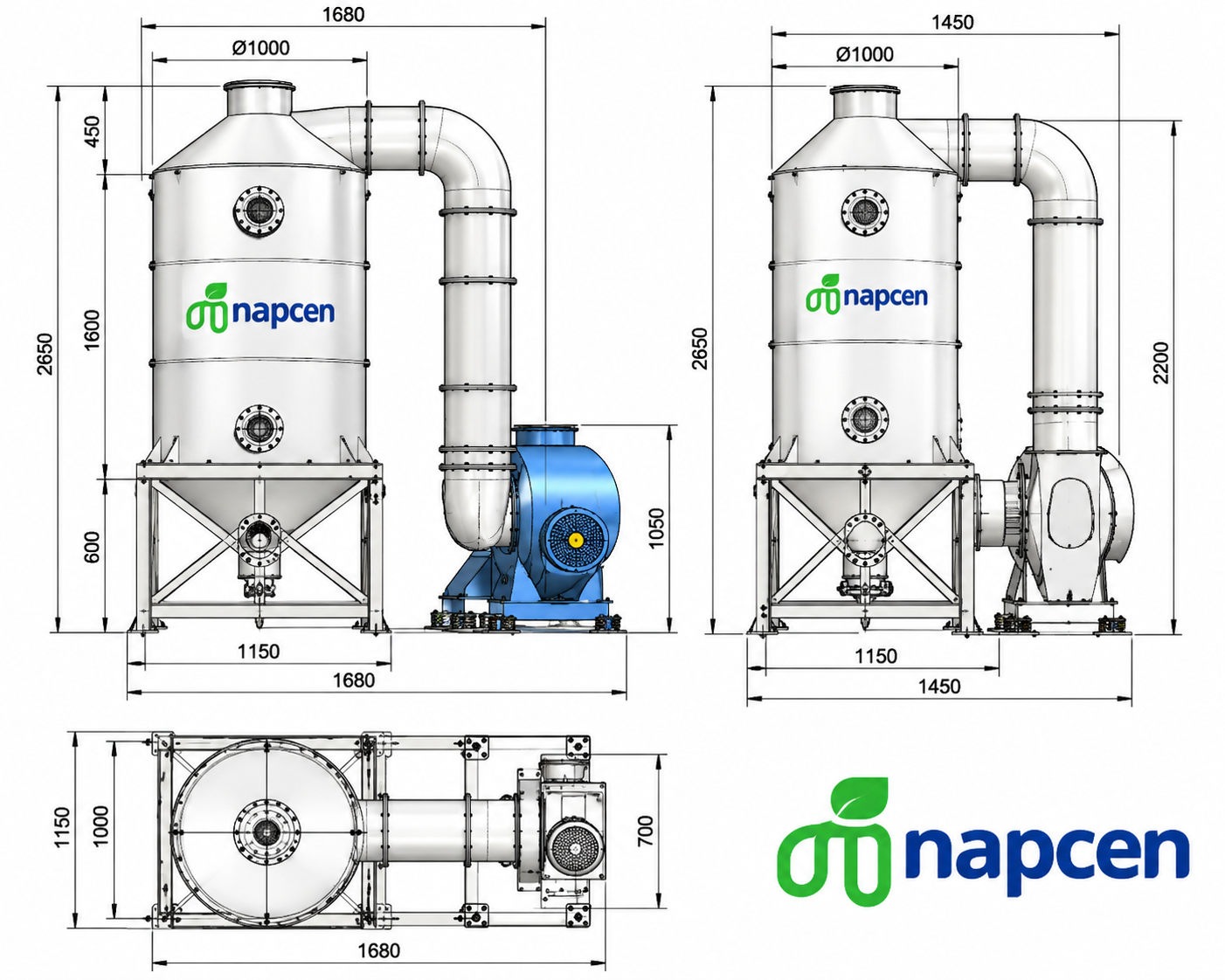
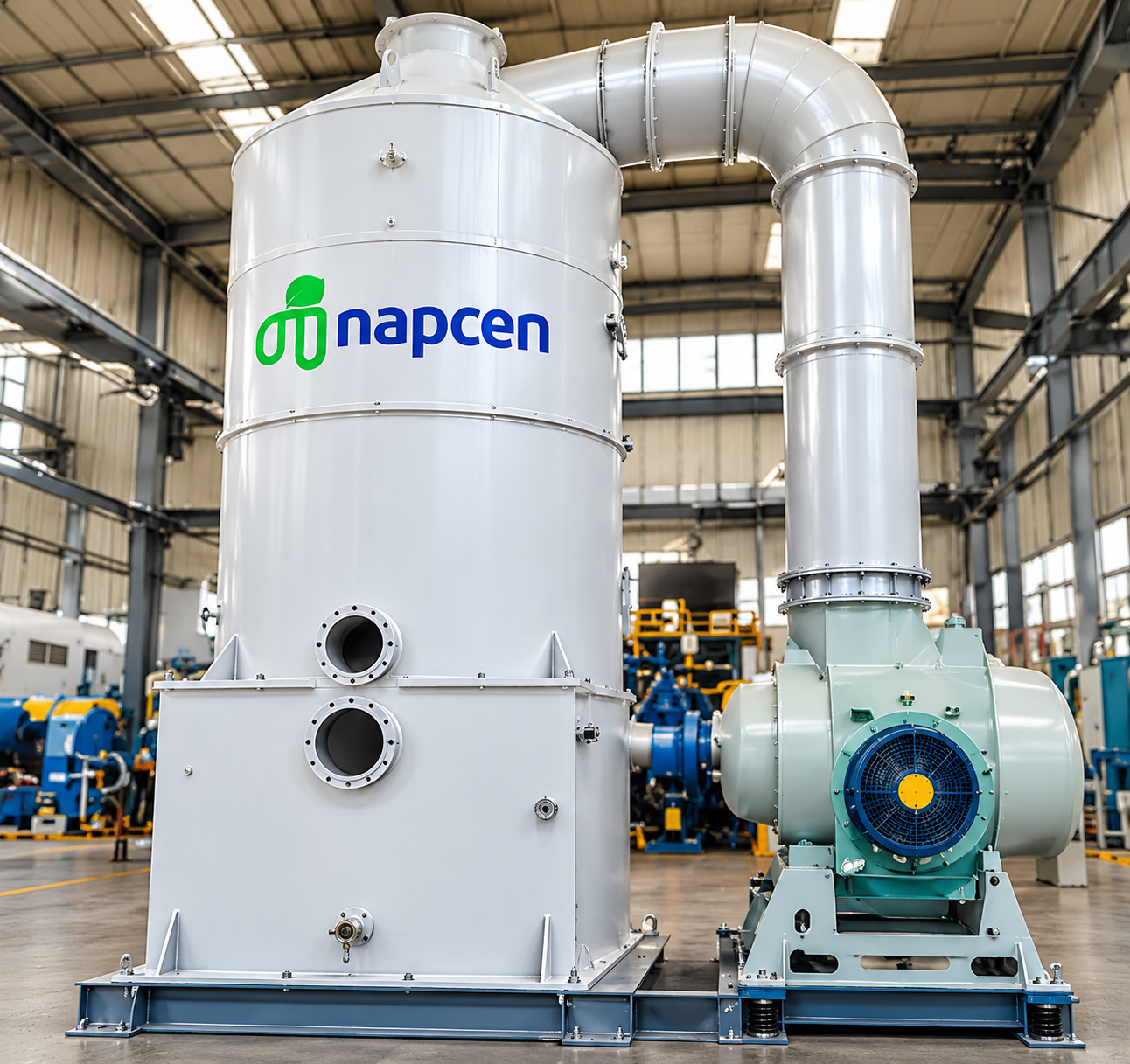
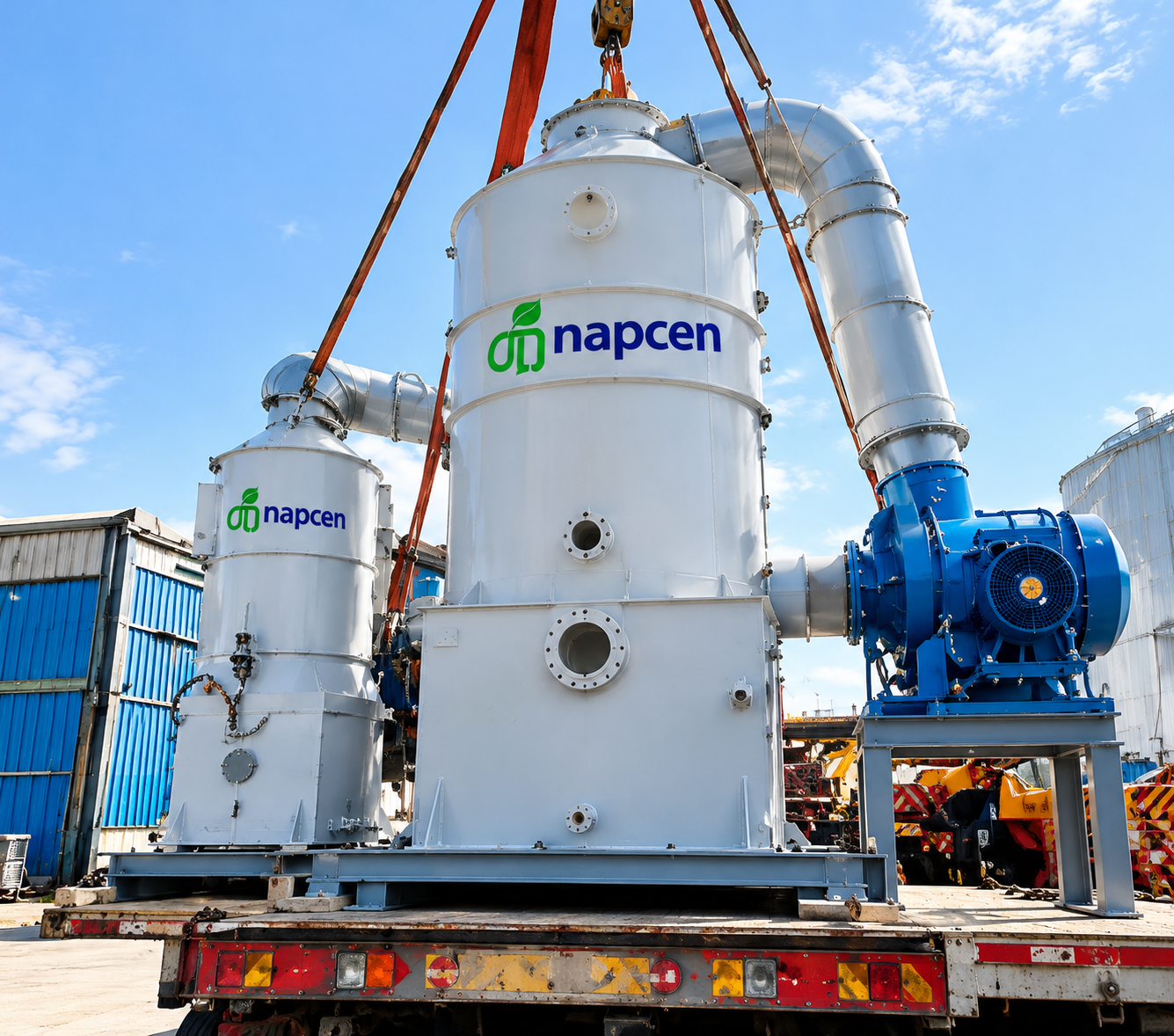
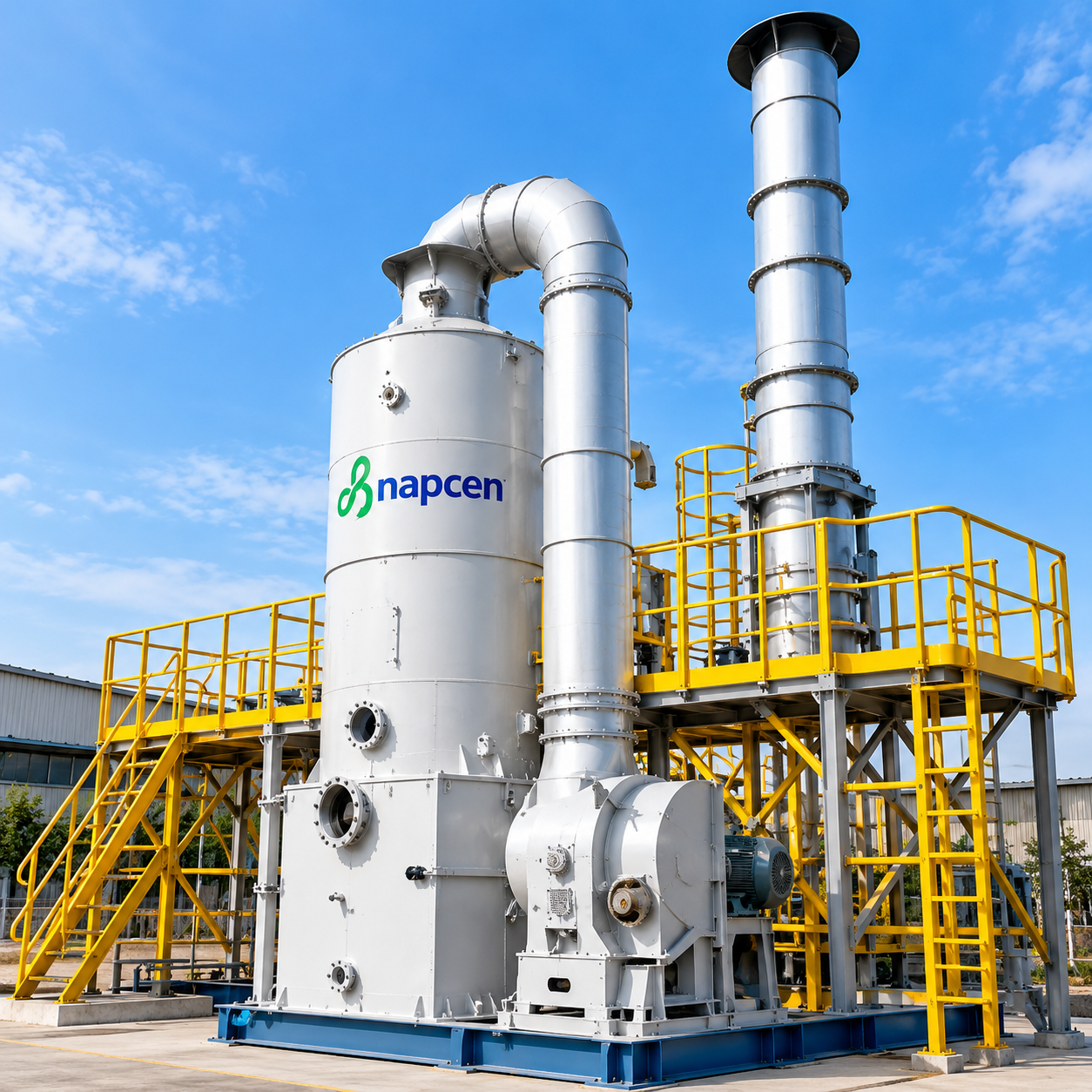
A dry scrubber system may include a capture hood, ductwork, pre-filter, treatment vessel, media support, blower and discharge stack. Instruments and access arrangements turn these components into a maintainable installation.
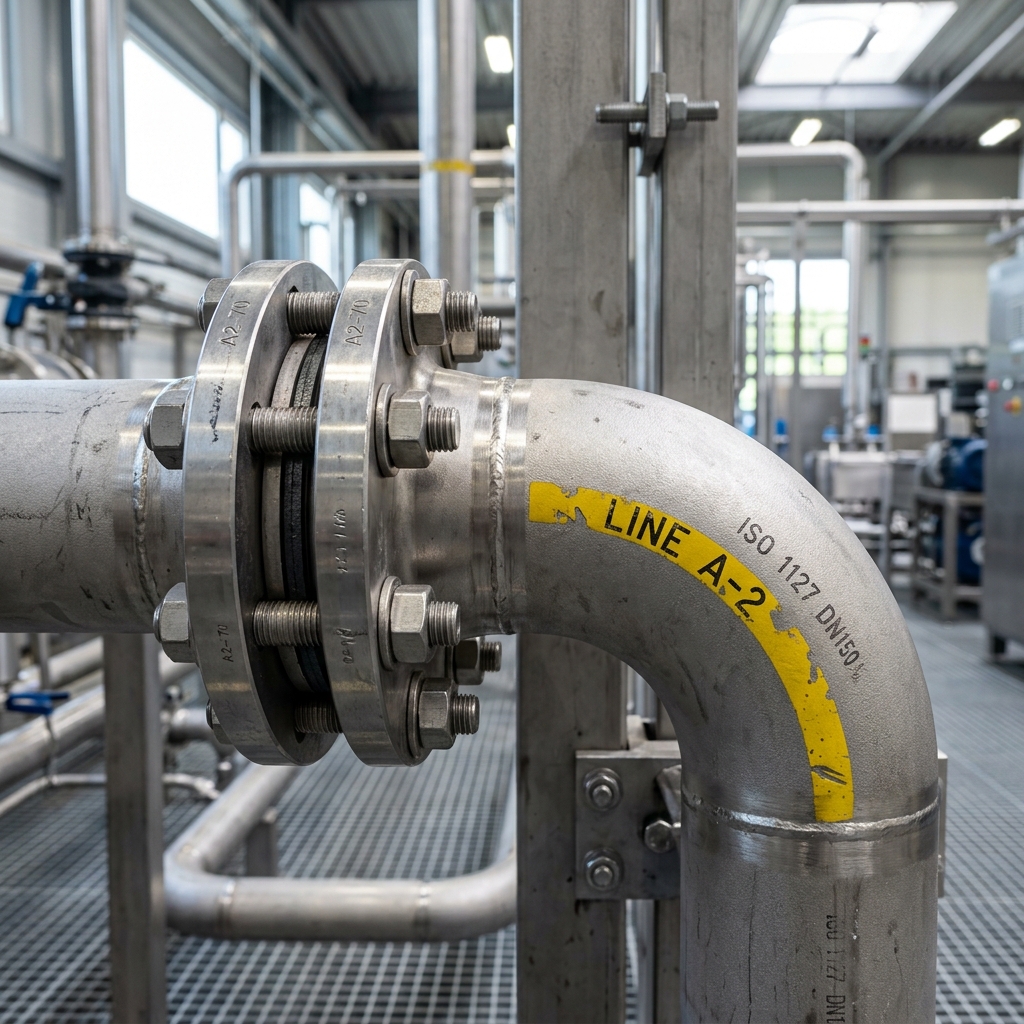
Vessel material and seals must suit corrosion, temperature and chemical compatibility. Bed geometry affects flow distribution, pressure loss and residence time. Fan selection must account for the resistance of the complete extraction path.
Specify the details that matter
Keep performancevisible
Proactive monitoring and timely maintenance help ensure reliable operation and consistent gas-treatment performance.
Trend the operating data
Record airflow, bed pressure drop and inlet/outlet readings at a frequency appropriate to the duty. Changes can reveal clogging, loading fluctuations or declining capture.
Respond to changes early
Unexpected odour, outlet concentration or pressure changes need investigation. Check capture, leaks, flow distribution and media condition rather than relying on odour alone.
Plan media changeout
Use the agreed breakthrough criterion. Isolate equipment safely and handle spent media according to its contamination, supplier guidance and applicable waste requirements.
A low pressure drop does not prove that gas-treatment capacity remains available. Media saturation and mechanical blockage are separate concerns.
.png)
Industrial Air Pollution Control Equipment Manufacturer
NAPCEN provides engineered air pollution control equipment for industrial applications, including dry scrubbers, wet scrubbers, dust collectors and fume extraction systems.
Our dry scrubber solutions are developed around the customer's gas composition, process requirements, operating conditions and treatment objectives. From initial technical evaluation and equipment design to manufacturing and project support, NAPCEN focuses on application-specific industrial gas treatment solutions.
Visit the NAPCEN company websiteProject workflow – Dry Scrubber
From emission assessment to commissioning and ongoing support

Dry scrubber FAQs.
Need industrial air
pollution control equipment?
Start a technical discussion with NAPCEN engineers. We analyze your process to provide the most effective pollution control solution.
Puducherry, India - 605110
Request a quotation
Provide your process specifications, and our engineers will evaluate the requirements for a customized solution.
Get my quotationEnquiry data & privacy
Your enquiry details are submitted securely to NAPCEN's engineering team for prompt technical review and customized quotation. We do not sell or share your contact information with third parties. For direct communications, you can also reach us at info@napcen.com.